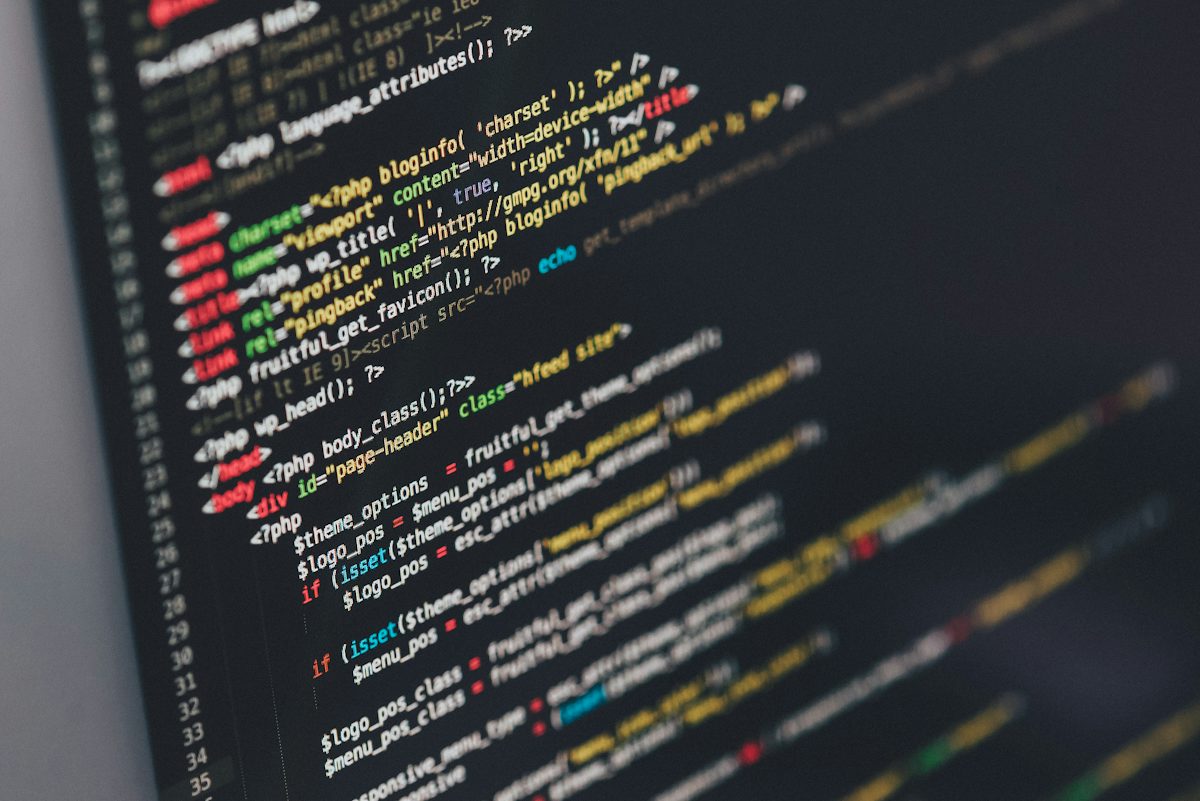
Most programming tutorials start with clean code. You build a to-do list, a weather app, or a blog. Everything is neatly separated, variables are named well, and there is a single source of truth. Then you get your first job, open the codebase, and find a 3,000-line controller with SQL queries embedded in the HTML, commented-out functions from 2019, and a variable called $data2 that gets reassigned six times.
This is where most junior developers panic. They think they are missing something. They are not. They are seeing reality.
Reading bad code is not a punishment. It is a skill, and it is one of the most valuable ones a junior developer can build early.

You will spend more time reading code than writing it
Every feature starts by understanding what already exists. You have to trace where a variable comes from, follow a function call through three files, and figure out why a condition checks for null on line 87 but not on line 92. If you cannot read someone else’s code, you cannot change it safely.
Junior developers who only write fresh code from scratch become dangerous the moment they touch an existing project. They break things they do not understand, then spend days fixing what they broke.
Bad code teaches you what not to do
Clean tutorials show you the ideal. Bad code shows you the consequences. A deeply nested if block teaches you why guard clauses matter. A global variable that gets mutated in five places teaches you why state should be local. A magic number like 86400 buried in a condition teaches you why named constants exist.
You do not need to admire bad code to learn from it. You just need to read it without looking away.
Refactoring starts with reading
You cannot refactor what you cannot read. The standard advice is “leave the code better than you found it,” but that assumes you can actually read what you found. Junior developers who practice reading messy code develop the pattern recognition to spot duplication, dead code, and hidden dependencies faster.
Over time, you stop seeing a wall of spaghetti and start seeing structures: this part handles validation, that part talks to the database, this part is just formatting for the UI.
How to practice reading bad code
You do not need a terrible job to build this skill. Open an old project of your own from two years ago. You will likely cringe. That is the point. Read it line by line and ask:
- What is this function actually doing?
- Where does this data come from?
- What happens if this input is empty?
- Why was this written this way?
Then try to make one small, safe improvement. Rename a variable. Extract a repeated block into a function. Add a guard clause. Do not rewrite everything. Just make it slightly easier for the next person — including future you.
The mindset shift
Bad code is not a reflection on your intelligence. It is usually a reflection on time pressure, changing requirements, or someone learning on the job — probably you, someday. Reading it without judgment makes you a better engineer faster than any tutorial.
The juniors who advance quickly are not the ones who write the cleverest code. They are the ones who can walk into any codebase, make sense of it, and ship something without breaking what already works.
Leave a Reply