Tag: Tech
-
Agent Zero vs OpenClaw: The 2026 Showdown That Will Decide Your Workflow’s Fate
In 2026, the battle between Agent Zero and OpenClaw isn’t just about features—it’s about where your work lives. With benchmark scores of 87.3% for Agent Zero in terminal tasks versus 72.1% for OpenClaw in chat automation, the choice could make or break your workflow efficiency.
-

Inside the AI Sex Chat Boom: 2026’s Most Advanced Companions
2026’s AI sex chat platforms represent a quantum leap, powered by massive 744B models and SWE-bench prowess. Customization meets immersion, with CandyAI and OurDreamAI leading in bespoke partners, while YumeAI and LustGF specialize in specific fantasies. Pricing ranges from free tiers to $0.28/M tokens, reflecting the computational cost of these advanced companions.
-

Anthropic’s New Sonnet Is So Good It Makes Opus Look Obsolete
Claude Sonnet 4.6 shatters expectations by delivering Opus-level capabilities at Sonnet pricing. With a 1 million token context window and revolutionary computer use skills, the mid-tier model now outperforms its predecessor and even the top-tier Opus 4.5 in developer preference. This leap democratizes high-end AI, forcing the industry to rethink model hierarchies.
-
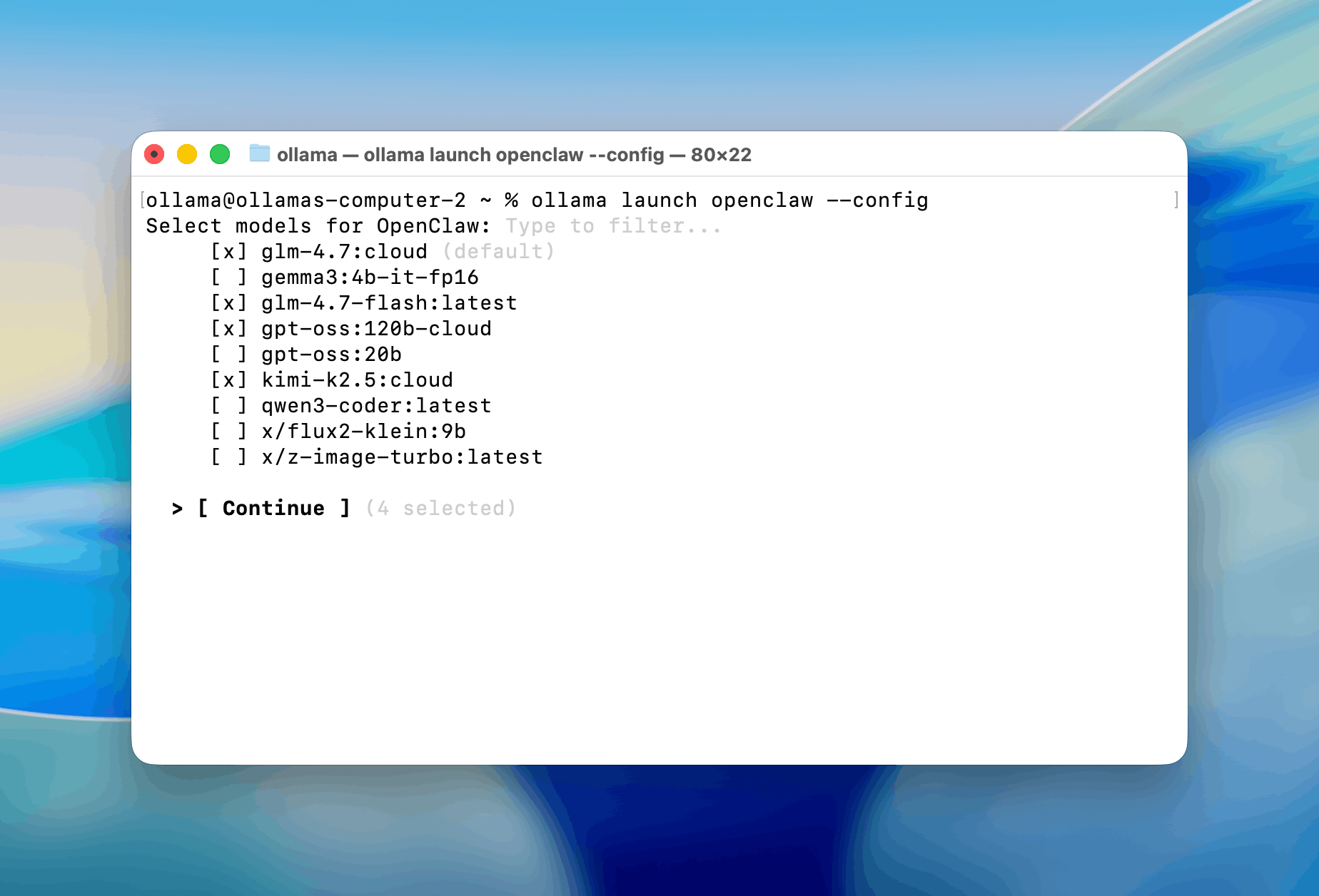
Ollama 0.17’s OpenClaw Onboarding Fix is a Game-Changer for AI Benchmarking
Ollama 0.17’s enhanced OpenClaw onboarding simplifies running critical AI benchmarks, democratizing access to model evaluation and sparking a new era of open-source AI development. Discover how this update reshapes the landscape for researchers and developers alike.
-
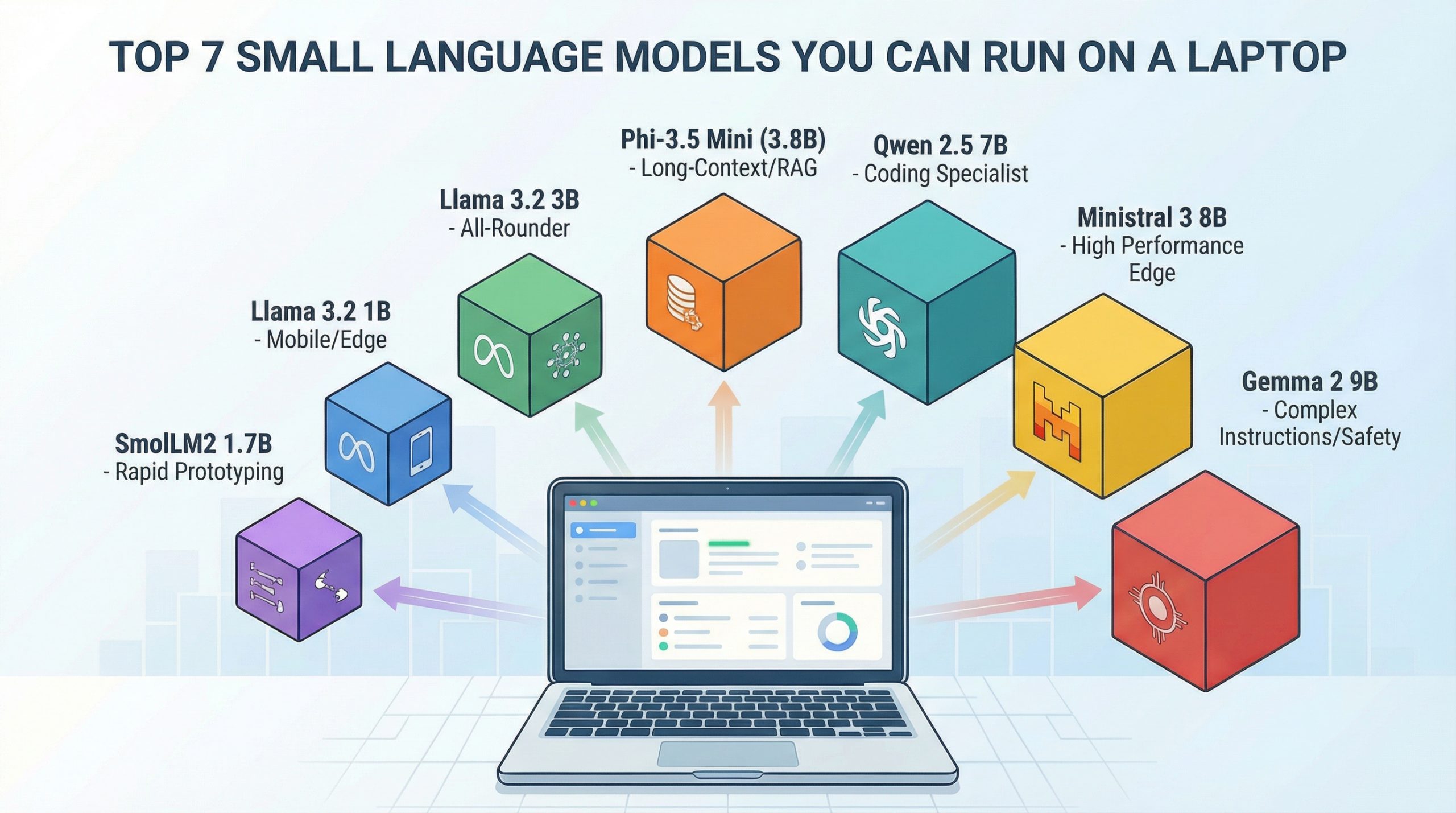
The End of Cloud-Only AI: 7 Small Language Models That Run Flawlessly on Your Laptop
Discover how small language models are democratizing AI by running locally on consumer hardware. We analyze hardware requirements, use cases, and the shocking performance of models like Phi-3.5 Mini with 3.8B parameters. Learn why developers are ditching cloud APIs for on-device inference.
-
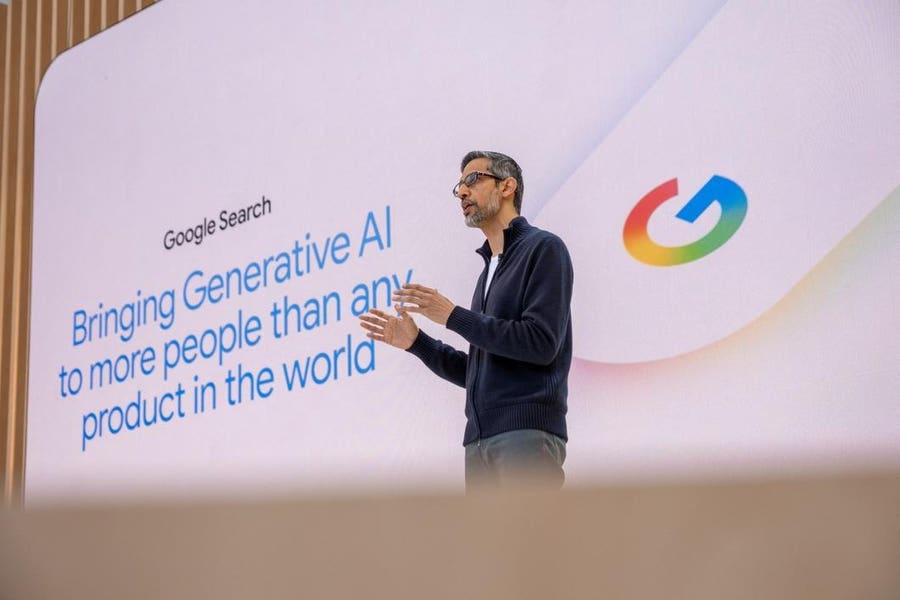
The End of Screen Scraping? Google’s WebMCP Protocol Slashes AI Agent Costs by 67%
Google’s new WebMCP protocol enables websites to expose structured functions to AI agents, eliminating screen scraping. Internal tests show a 67% reduction in computational overhead, promising faster, cheaper agent operations. This move could accelerate the transition to an agentic web where AI assistants seamlessly interact with online services.
-

Coca-Cola Fires Its Ad Agency: The $100B Brand Betting Everything on AI-Generated Campaigns
Coca-Cola’s shift to AI-generated marketing is a desperate or brilliant response to stalled price-led growth. This isn’t just automation—it’s a fundamental rewrite of the $500B advertising playbook. We break down the technical引擎, the economic threat to human agencies, and the hidden risks of bias and the uncanny valley that could sink the world’s biggest brands.
-

UK and Canada Just Hacked the AI Compute Crisis: The Secret Deal That Could Break Big Tech’s Monopoly
The UK and Canada have signed a landmark compute-sharing agreement to democratize AI research. This analysis breaks down how this bilateral deal attacks the core bottleneck of AI development, creates a potential counterweight to US and China, and could flood the market with accessible supercomputing power for biomedicine and beyond. The geopolitical and technical implications…
-
The AI Olympics 2026: How Specialized Models Are Dethroning General Intelligence
The AI landscape in 2026 has shattered the myth of a single dominant intelligence, with specialized models now outperforming general-purpose alternatives in their respective domains. From autonomous agents that can operate computers independently to open-source models rivaling commercial giants, the future belongs to purpose-built AI systems.